
|
Event Name |
Educational Site Visit to Keibul Lamjao National Park for Environmental Studies |
||
|
Event Date |
15/06/2026 |
||
|
Event Description |
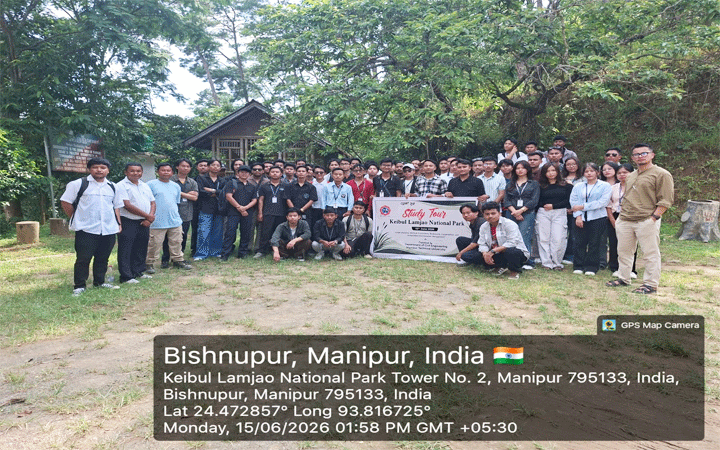
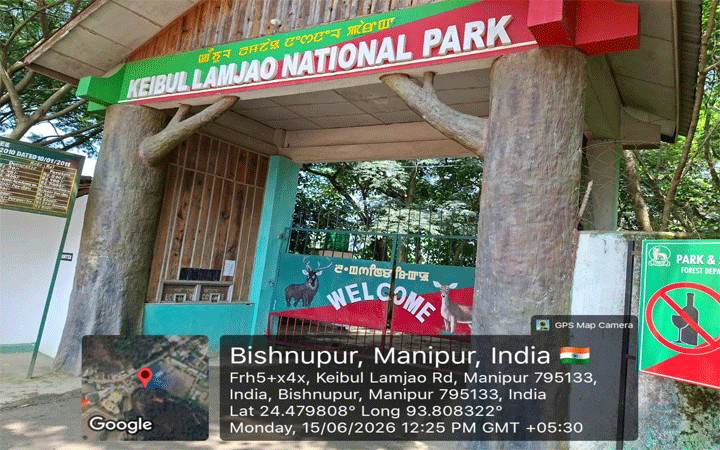
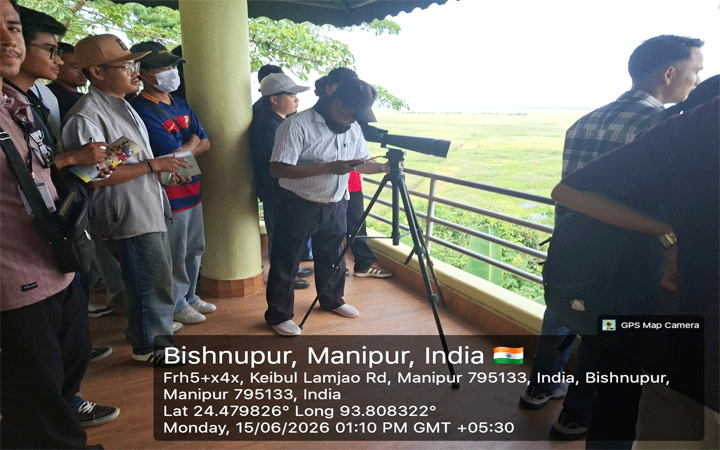
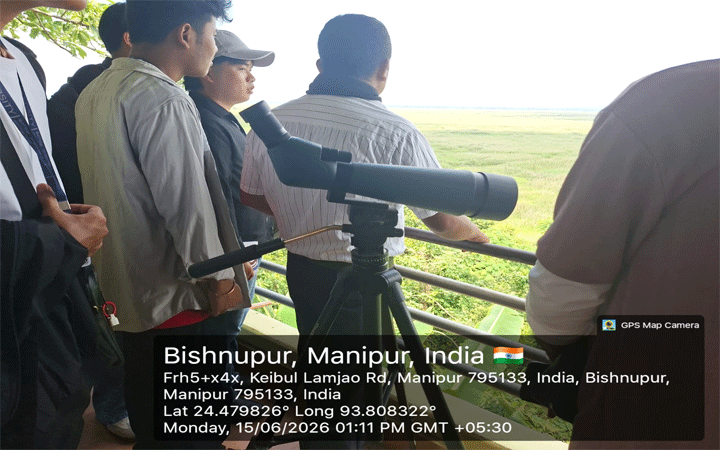
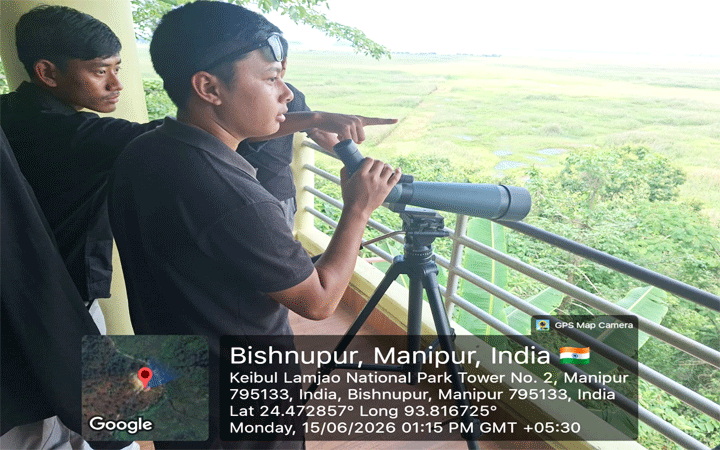
An educational site visit to Keibul Lamjao National Park was organized for the students of Manipur Technical University on 15 June 2026 as part of the Environmental Studies curriculum. The visit aimed to provide practical exposure to ecosystem dynamics, wetland conservation, biodiversity, and wildlife management. During the visit, students observed the unique floating phumdi ecosystem of the park, learned about conservation measures for the endangered Sangai, and gained insights into the park’s ecological significance. The activity enhanced students’ understanding of environmental sustainability and complemented their classroom learning through field-based observation and interaction. |
||
|
Coordinator(s) |
1. Dr. Kakchingtabam Anil Sharma, Assistant Professor, Department of Civil Engineering |
||
|
Organized by |
Department of Civil Engineering |
||
|
Total Days of Event |
One day |
||
|
The number of Students Participating in the program |
MALE |
FEMALE |
TOTAL |
|
47 |
14 |
61 |
|
|
Number of Faculty & Staff who participated in the program |
TEACHING |
NON-TEACHING |
TOTAL |
|
1 |
2 |
3 |
|
|
Number of Local participants |
MALE |
FEMALE |
TOTAL |
|
0 |
|||
|
Location |
Keibul Lamjao National Park, Loktak Lake Region, Bishnupur District, Manipur – 795133, India. |
||
|
Plan of action |
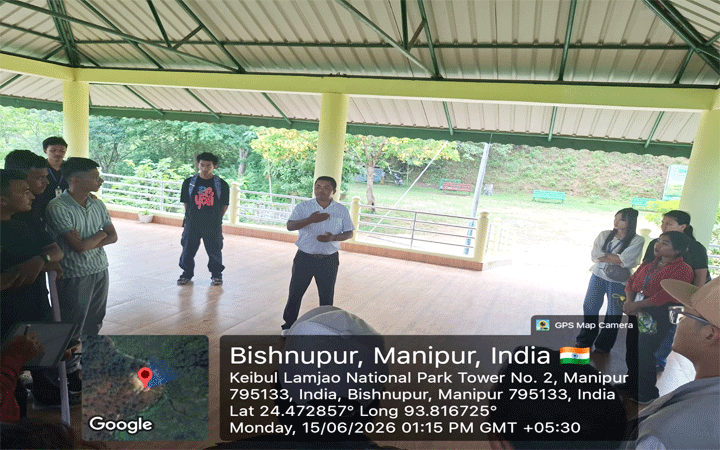
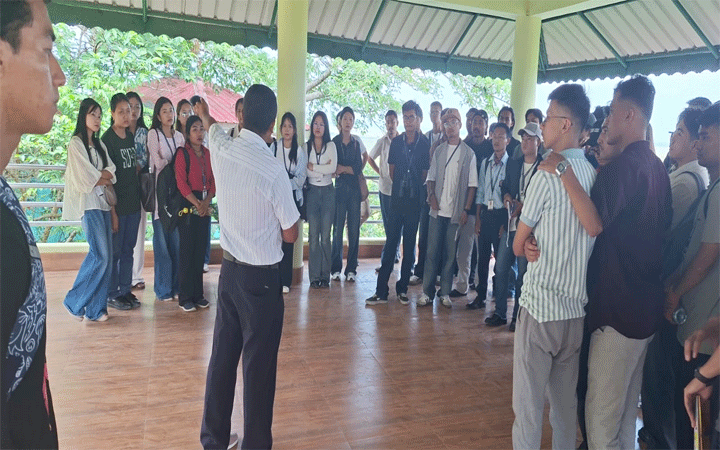
An educational site visit to Keibul Lamjao National Park was successfully conducted on 15 June 2026, following the necessary permissions from the concerned authorities. Transportation and logistical arrangements were made for the students, faculty members, and staff. Before the visit, students were briefed on the objectives of the field study, safety measures, and environmental responsibilities. During the visit, they observed the unique floating phumdi ecosystem, biodiversity, and wildlife conservation practices of the national park. The students recorded their observations and gained valuable insights into ecosystem conservation and environmental sustainability through interaction with park officials and field observations. Following the visit, a discussion session was held to review the observations and learning outcomes, and the visit was documented through photographs and a report for departmental records. |
||
|
Action Report |
The Department of Civil Engineering, along with the Departments of Computer Science & Engineering, Electrical Engineering, and Electronics & Communication Engineering, successfully conducted an educational site visit to Keibul Lamjao National Park on 15 June 2026 as part of the Environmental Studies curriculum. A total of 61 students, accompanied by faculty member and staff, participated in the programme. During the visit, the students observed the unique floating phumdi ecosystem, studied the biodiversity and ecological significance of the park, and learned about the conservation efforts for the endangered Sangai deer. The visit provided valuable practical exposure to environmental conservation, wetland management, and ecosystem studies, thereby enhancing the students’ understanding of environmental sustainability and complementing their classroom learning. |
||
|
Outcomes / Impact of the activity |
The site visit enhanced students’ understanding of ecosystem conservation, biodiversity, and wetland management through practical field exposure. It increased awareness of environmental sustainability and the importance of conserving the unique phumdi ecosystem and the endangered Sangai deer. The activity also helped students relate theoretical concepts of Environmental Studies to real-world environmental issues |
||
|
Feedback |
The feedback received from the participants was overwhelmingly positive. Students found the site visit highly informative and enriching, as it provided practical exposure to environmental conservation, biodiversity, and ecosystem management. The participants appreciated the opportunity to observe the unique phumdi ecosystem and recommended organizing similar educational field visits in the future. |
||
Gallery :
Last Updated on June 18, 2026 by Web Admin