
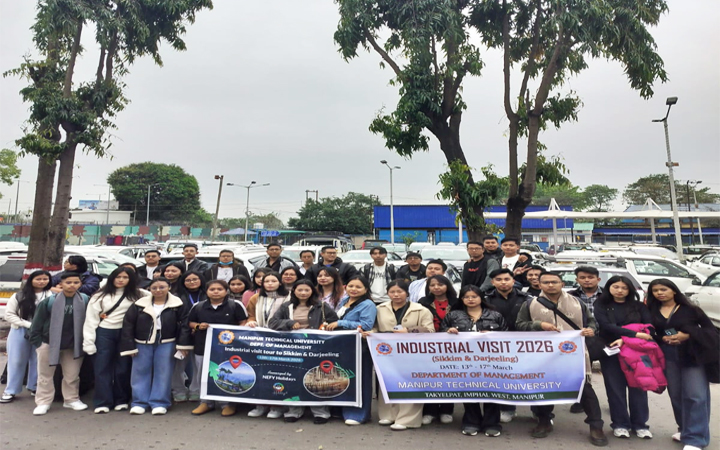
INDUSTRIAL VISIT MBA 2026
DARJEELING AND SIKKIM (13th March -17th March 2026)
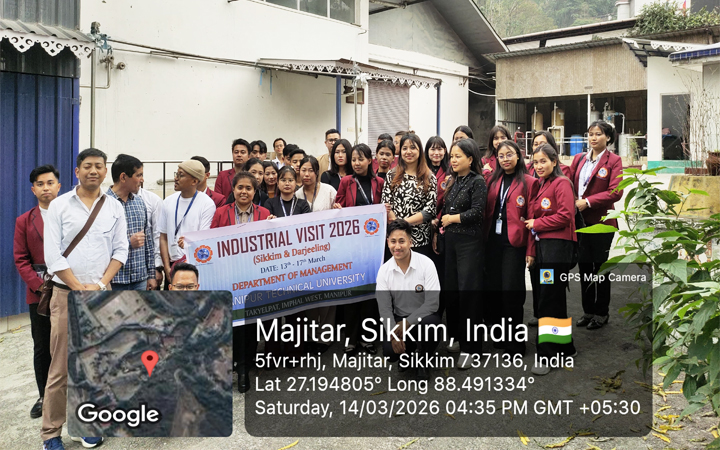
14th March, Mayel and Fraser Pvt Ltd .
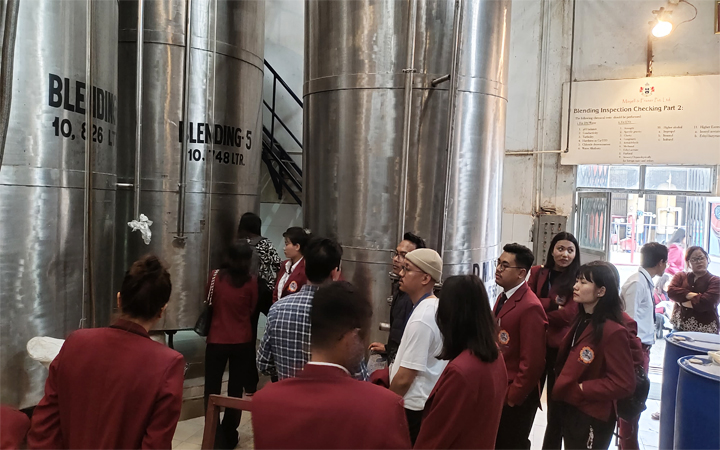
Mayel and Fraser Pvt Ltd is a distillery and liquor‑manufacturing company located in Rangpo, East Sikkim, producing alcoholic beverages such as brandy, rum, and other spirit products.
- Exposure to end-to-end processes: raw‑material handling, fermentation, distillation, blending, bottling, packaging, warehousing, and logistics in an alcohol‑producing unit.
- Focus on plant layout, capacity utilization, level of automation, shift systems, and maintenance, with attention to safety norms and excise‑control procedures.
- Study of quality‑control practices, inventory systems, excise‑regulation compliance, and environmental‑management mechanisms aligned with state pollution‑control norms.
15th March Nathu La Pass and Tsomgo Lake
Nathu La Pass is a high-altitude mountain pass in Sikkim at about 14,140 feet on the India-China border, historically significant for the Silk Route and now for limited trade. Tsomgo Lake, located en route at 12,400 feet, is a glacial lake known for its changing colors and sacred status among locals.
The trip combines tourism exposure with industry insights and highlight border tourism’s socio-economic role, adventure challenges at high altitudes.
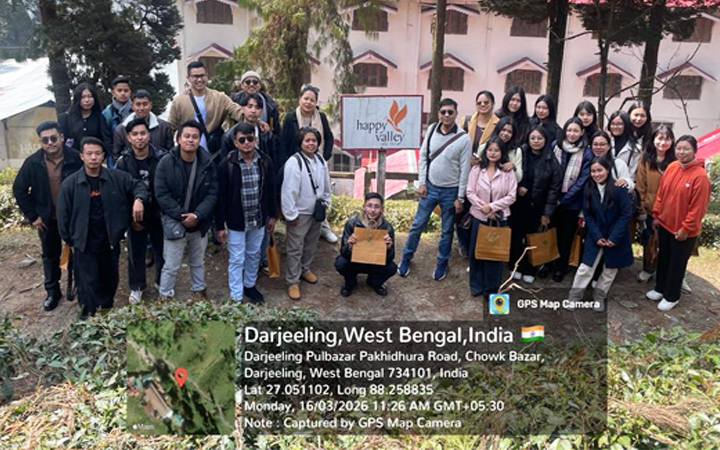
16th March Happy Valley Estate, Darjeeling
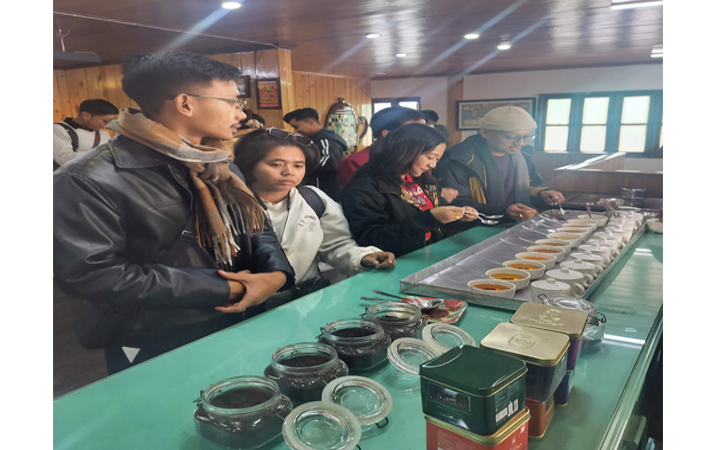
An enriching industrial visit to the iconic Happy Valley Tea Estate in Darjeeling. Nestled in the misty hills of West Bengal at an elevation of 1,800-2,000 meters, this 120-year-old estate produces some of the world’s finest Darjeeling teas, renowned for their muscatel flavor. The visit, coordinated by the Department of Management Studies, aimed to bridge classroom theory with real-world business operations in the plantation industry—a key sector in India’s rural economy.
MBA students undertook an industrial tour covering both a distillery unit (Mayel and Fraser Pvt Ltd) and a tea estate (Happy Valley), linking classroom concepts with live production, compliance, and sustainability practices. The visits emphasized experiential learning across operations, supply chain, marketing, finance, HR, and rural development within manufacturing and agro-based industries.
- Field immersion through tea‑garden walk, learning orthodox plucking, labour productivity, and cultivation practices specific to premium Darjeeling‑type teas.
- Factory tour covering withering, rolling, fermentation, drying, and packaging, highlighting how orthodox processing supports aroma and niche export positioning.
- Interaction with management on climate‑change impact on yield, export markets, GI‑based branding, organic trials, and worker‑welfare initiatives in a globally competitive tea industry.
Functional Insights Across Both Units
- Operations/Supply Chain: Capacity planning, batch sizing, vertical integration from raw materials to finished goods, logistics in hilly terrain, and zero‑waste or effluent‑management practices.
- Marketing/Branding: Role of brand mix, distribution channels, liquor policy constraints, GI tags, estate‑tourism and storytelling in premium pricing and market differentiation.
- Finance/HR & Rural Development: Cost structures under volatile input and output prices, working‑capital cycles in perishable products, wage and safety management, and local employment generation with skill development.
Learning Outcomes and Student Reflections
- Classroom topics in operations management, supply‑chain, regulatory compliance, sustainability, and rural development were directly observed on the shop floor and in the field.
- Students reported deeper understanding of labour economics, lean practices, and industry competitiveness, inspiring project ideas such as sustainable tea supply chains and agri‑finance models.
- Faculty emphasized that such experiential learning nurtures entrepreneurial thinking in Northeast India and motivates future visits to additional tea and manufacturing units in the region.
Gallery:
Last Updated on April 6, 2026 by Web Admin